Identify
Record SKU, color, dimensions, material declaration, packing and sample date before handling.
PROTOCOL / SQ-01
Squishy, squeeze and stress-relief toys sell through a physical response that a photo cannot prove. This lab note turns sample impressions into a repeatable buyer scorecard covering tactile feel, recovery, finish, odor, construction, packaging and carton facts.
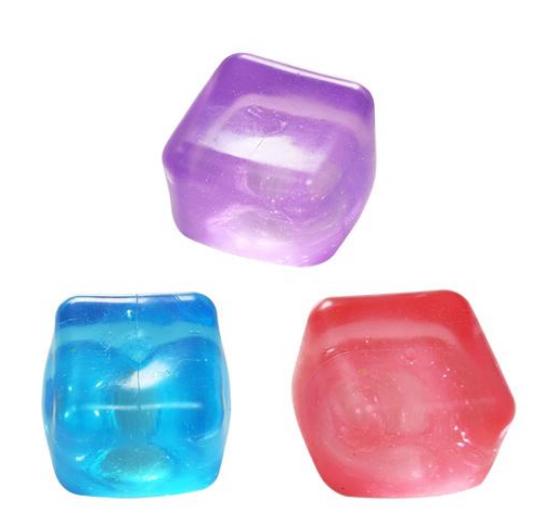
01 / TEST SEQUENCE
Record SKU, color, dimensions, material declaration, packing and sample date before handling.
Inspect seams, print alignment, dust attraction, surface marks, deformation and loose components.
Use the same hand position and approximate compression for each sample. Note feel and resistance.
Measure how the form returns and whether repeated use changes the shape, surface or response.
Test multiple pieces from the same assortment. A good hero sample does not prove batch consistency.
Attach photos, score each criterion, list defects and freeze the approved sample reference.
02 / SCORE MODEL
Softness, resistance, rebound character and intended sensory experience.
Return to form after controlled compression and repeated handling.
Coating, print, color consistency, marks, seams and dust attraction.
Record observations consistently and escalate unusual results for investigation.
Attachments, closures, internal components and visible weak points.
How well the retail and export packing protects shape and finish.
Color mix, display quantity, visual story and channel merchandising role.
SKU, MOQ, case pack, dimensions, evidence and quote path available.
The weights are a buyer-workflow example, not a safety standard. Adjust them to your channel and use qualified testing for compliance decisions.
03 / SPECIMEN BOARD
A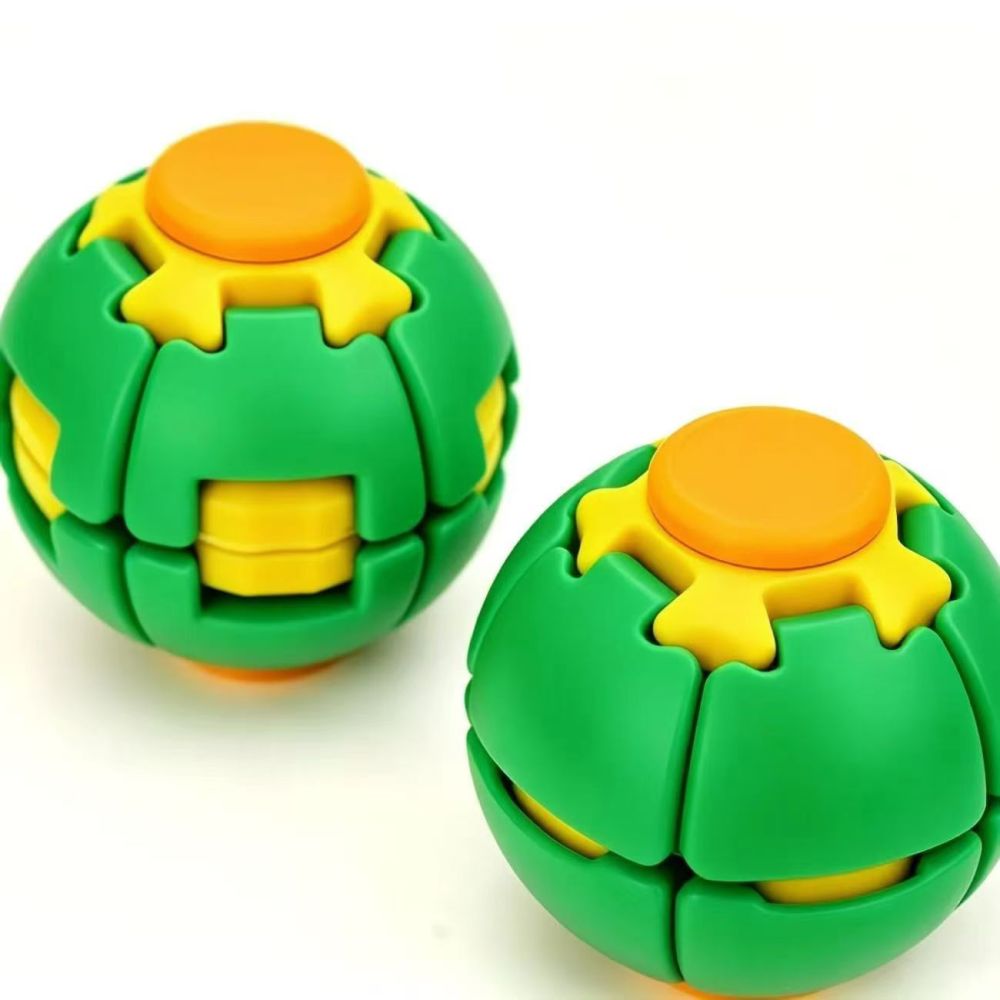 B
BMechanical sensory action
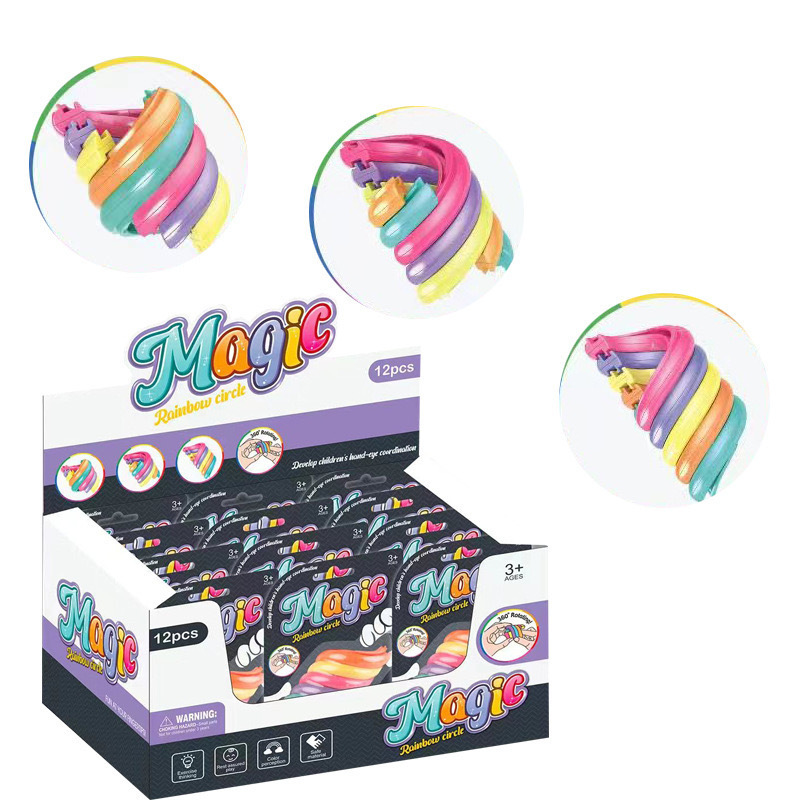 C
CDisplay-box impulse item
BUYER HANDOFF
“Feels good” is not reproducible. Attach the scorecard, sample photos, SKU, target quantity, destination market, package request and the defects that must not appear in production.